
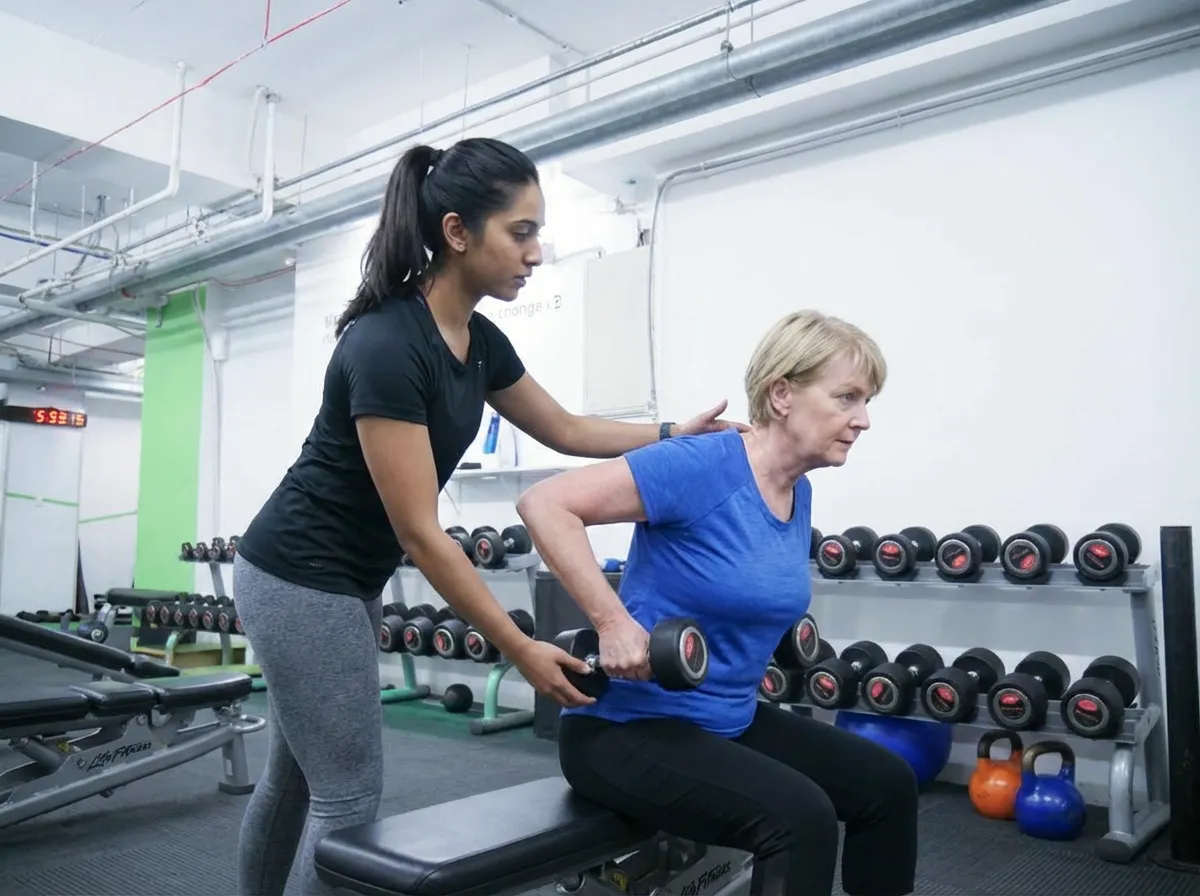
You Don’t Need to Be Fit First to Join a Gym
If you’ve been searching for a gym for beginners in Wellington, there’s a good chance you’re carrying the same worry a lot of people do: I should probably get a bit fitter first.
It sounds logical, but it often keeps people stuck. You wait until you feel more confident, less awkward, more organised, or more “ready”. Then weeks pass. Sometimes months.
Here’s the plain-English answer: a beginner-friendly gym is not a reward for already being fit. It is a place to begin. It is where you learn what works for you, get familiar with the environment, and build confidence one visit at a time.
If starting feels intimidating, that does not mean you are behind. It usually just means you are new. And new is a perfectly normal place to start.
This guide walks through what joining a gym can look like, what happens next, and why a realistic restart usually works better than waiting for a perfect moment.
What “beginner-friendly” actually means
In simple terms, a beginner-friendly gym is a place where you can start as you are.
That does not mean you need to know the equipment, enjoy exercise already, or walk in feeling confident. It means the environment, the support, and the expectations make it easier to take the first step without feeling like you need to prove anything.
For many beginners, what matters most is not finding the flashiest setup. It is finding a place where asking questions feels normal, starting small feels acceptable, and showing up feels manageable.
How it works: joining a gym without overthinking it
1. Decide what you actually need
Before you compare every option, get clear on the real goal. You do not need the perfect gym. You need a place where you can start comfortably.
That might mean a convenient location, opening hours that suit your workday, a calm atmosphere, or staff who explain things clearly. If you live or work around Wellington, practicality matters. A gym that fits into your actual week is often more useful than one that only sounds good in theory.
Why it matters: when your expectations are realistic, choosing becomes easier.
What happens next: instead of asking, “Which gym should turn me into a new person?”, ask, “Which gym would make it easiest to begin?”
2. Visit or enquire before committing
You do not have to sign up on the spot. A simple visit, message, or phone call is a normal first move.
You can ask basic questions, get a feel for the space, and notice whether the environment feels welcoming. If you are nervous, that is useful information too. A good beginner experience usually starts with feeling comfortable enough to ask what you need to ask.
Why it matters: uncertainty tends to shrink when the place becomes real rather than imagined.
What happens next: you move from vague worry to practical information. Even one short visit can make the next step feel more ordinary.
3. Expect a simple starting point
Many beginners assume joining a gym means being thrown into a complicated routine straight away. Often, the beginning is much simpler than that.
Your first step may involve getting shown around, asking questions, or starting with a basic plan that helps you become familiar with the space. The point is not to do everything at once. The point is to reduce friction so you know where to go and what to do when you arrive.
Why it matters: when you know what to expect, the gym feels less like a test.
What happens next: you focus on getting comfortable with the environment first, rather than trying to perform like someone who has been training for years.
4. Start smaller than you think you should
This is the part many people skip. They feel motivated, so they try to do too much. Then the routine feels hard to repeat.
A better approach for many beginners is to make the first few sessions simple. Learn where things are. Try a few basics. Leave with some energy still in the tank. Familiarity is a win.
Why it matters: a manageable start is often easier to repeat than an intense one.
What happens next: instead of needing a huge amount of willpower each time, you begin building a routine that feels possible on an ordinary week.
5. Let confidence catch up with action
A lot of people think confidence should come first. In practice, confidence often arrives later.
You do not need to feel fully sure before you begin. For many beginners, confidence grows from small proof: you showed up, you found your way around, you did one session, then another. That is how the gym starts to feel less intimidating and more familiar.
Why it matters: waiting to feel fearless can keep you waiting for a long time.
What happens next: action gives you evidence that you can do this, even if you still feel a bit nervous.
Why this matters more than people realise
The idea that you should “get fit first” sounds harmless, but it can quietly keep you in a holding pattern.
When the starting line feels like something you have to earn, it is easy to put it off until life is less busy, motivation is higher, or confidence appears out of nowhere. For many people, that moment never arrives in a neat, dramatic way.
A realistic start tends to be less exciting than a total overhaul, but often more useful. It gives you a place to go, a structure to return to, and one less decision to make each week. That can reduce the mental load that comes with trying to “sort everything out” before you begin.
It also changes the story you are telling yourself. Instead of, I’ll join once I’m good enough, the story becomes, I’m allowed to start before I feel polished.That shift matters. It moves the gym from being a test of confidence to being a place where confidence can grow.
If you have been feeling out of rhythm, flat, or disconnected from yourself, a small, practical restart can do more than another round of waiting. Not because it fixes everything overnight, but because it gives you somewhere solid to begin.
FAQs
Do I need to be fit before joining a gym?
No. The gym is often the place where fitness begins. You do not need to reach a certain standard first.
What if I have no idea how to use the equipment?
That is a very normal beginner concern. Start by asking questions, getting a feel for the space, and using simple options you are comfortable with first.
Will everyone be looking at me?
Many people worry about this at the start. In reality, most gym-goers are focused on their own session. A welcoming environment can make that easier to feel.
How often should a beginner start?
Often, smaller and more repeatable is better than doing too much. Starting with a routine that feels manageable is usually more helpful than trying to be perfect.
Is it better to wait until I feel more confident?
Usually not. Confidence often grows after you begin, not before. Taking one small step can be more useful than waiting for the feeling of complete readiness.
How do I choose a beginner-friendly gym in Wellington?
Look for a gym that feels approachable, fits your routine, and makes it easy to ask questions. Convenience, comfort, and clear communication matter more than hype.
Your first step does not need to be a big one
You do not need a dramatic plan. You do not need to prove anything on day one. And you do not need to become “fit enough” before you walk through the door.
If you are considering joining a gym, make the first move small: visit, ask a question, or simply get a feel for the space. A low-pressure start still counts. In fact, for many people, that is the start that lasts.
What next?
You’re welcome to visit, ask a few questions, and get a feel for the space before making any decisions. Keep it simple: one small step this week is enough.